
Why Is Millet Not More Popular?
Discover why millet is not more popular despite its nutritional value and versatility. Learn about the health benefits, culinary uses, and ways to incorporate millet into your diet.
TIPS
1/11/20263 min read
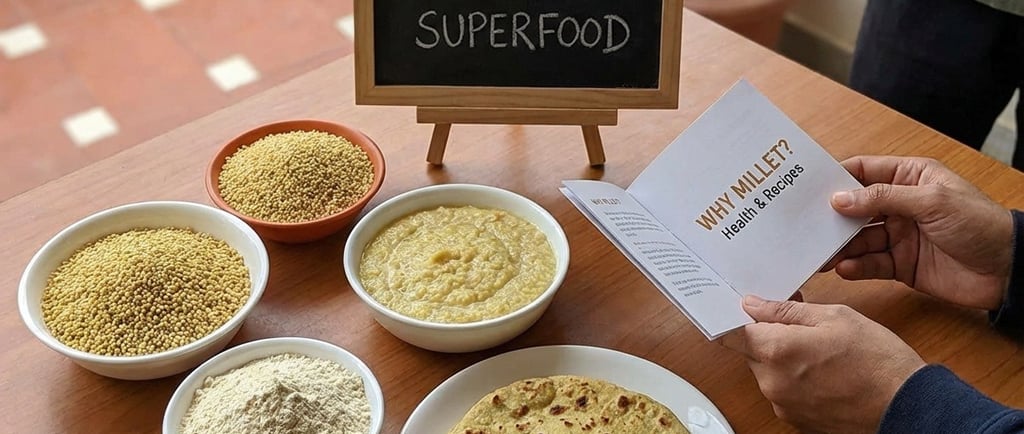
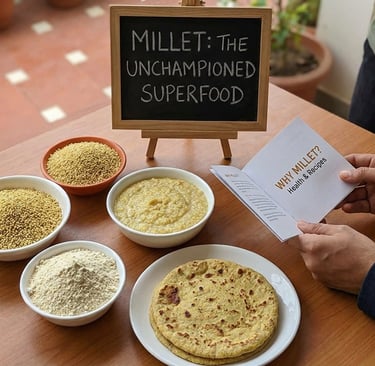
Have you ever wondered why millet is not more popular? Despite being highly nutritious, gluten-free, and versatile, this ancient grain seems to be overlooked in today's modern diet. Millet can be used in a variety of dishes, from salads to porridge to baked goods, making it a versatile and healthy option for those looking to incorporate more whole grains into their diet. So why not give millet a try and see what all the fuss is about?
Why Is Millet Not More Popular?
Have you ever wondered why millet is not more popular? Despite being a highly nutritious grain with numerous health benefits, millet seems to be overshadowed by other grains like rice, wheat, and quinoa. In this article, we will explore the reasons why millet is not as popular as it should be and shed light on its many advantages.
What Is Millet?
Before we delve into why millet is not more popular, let's first understand what millet is. Millet is a gluten-free ancient grain that has been cultivated for thousands of years. It has a delicate flavor and a light, fluffy texture when cooked, making it a versatile ingredient in various dishes.
Nutritional Value of Millet
One of the reasons why millet deserves more recognition is its impressive nutritional profile. Millet is rich in essential nutrients such as protein, fiber, vitamins, and minerals. It is particularly high in magnesium, phosphorus, and manganese, which are important for bone health, energy production, and antioxidant defense.
Health Benefits of Millet
Despite its nutritional value, millet is often overlooked when it comes to health benefits. Millet has been associated with various health benefits, including improved digestion, heart health, and blood sugar control. Its high fiber content can aid in digestion and promote satiety, while its magnesium content can help regulate blood pressure and support muscle function.
Culinary Uses of Millet
Another reason why millet is not as popular is its perceived lack of versatility in cooking. While rice and quinoa are often used in a variety of dishes, millet is not as commonly known for its culinary uses. However, millet can be used in numerous ways, from savory dishes like pilafs and salads to sweet treats like puddings and porridges.
Millet Recipes to Try
If you're looking to incorporate millet into your diet, here are some delicious recipes to try:
Millet Salad with Roasted Vegetables: Roast your favorite vegetables and mix them with cooked millet for a nutritious and flavorful salad.
Millet Porridge with Berries: Cook millet with almond milk and top it with fresh berries for a hearty and satisfying breakfast.
Millet-Stuffed Bell Peppers: Stuff bell peppers with a mixture of cooked millet, vegetables, and spices for a healthy and filling meal.
Environmental Benefits of Millet
In addition to its nutritional value and health benefits, millet also offers environmental advantages. Millet is a resilient crop that requires minimal water and can thrive in poor soil conditions. By promoting the cultivation of millet, we can reduce the environmental impact of agriculture and support sustainable farming practices.
Accessibility and Awareness
One of the main reasons why millet is not more popular is the lack of accessibility and awareness. Many people are simply not familiar with millet or do not know how to use it in their cooking. Additionally, millet may not be readily available in every grocery store, making it challenging for consumers to purchase and incorporate into their diets.
Overcoming Barriers to Millet Consumption
To increase the popularity of millet and promote its consumption, we need to address the barriers that are hindering its widespread adoption. This includes raising awareness about the benefits of millet, providing easy access to millet products, and offering creative and delicious recipes to inspire people to cook with millet.
Ways to Incorporate Millet Into Your Diet
If you're looking to start incorporating millet into your diet, here are some tips to help you get started:
Start Small: Begin by adding a small amount of millet to your favorite dishes, such as soups, stews, and casseroles.
Experiment with Flavors: Millet has a mild flavor that pairs well with a variety of seasonings and ingredients. Experiment with different herbs, spices, and sauces to enhance the taste of your millet dishes.
Try Different Varieties: There are several types of millet, including pearl millet, foxtail millet, and finger millet. Explore the different varieties to discover your favorite and diversify your culinary repertoire.
In conclusion, millet is a highly nutritious and versatile grain that deserves more recognition and popularity. By learning about the health benefits of millet, exploring its culinary uses, and addressing barriers to its consumption, we can elevate millet to its rightful place as a staple ingredient in a healthy and sustainable diet. So next time you're at the grocery store, consider picking up a bag of millet and giving this ancient grain a try – your taste buds and your health will thank you!